


What are the Top Factors to Consider When Selling Livestock?
- The Branded Mtn Admin
- Apr 9
- 3 min read

Selling livestock isn’t just about loading animals on a trailer and hoping for a good check at the end of the day. Over the years, my husband and I have learned that successful livestock marketing is intentional, visual, and strategic—long before sale day ever arrives.
We primarily market cattle through seven consignment sales each year, along with a small number of private treaty sales. Through that experience (and a few lessons learned along the way), here are the top factors we believe truly impact success when selling livestock.
1. Visual Appeal Is Everything
If there’s one thing I’ve learned, it’s this: buyers shop with their eyes first.
Before anyone studies pedigrees or performance data, they’re looking at how an animal presents itself:
Structure and balance
Condition and muscle expression
Overall presence
This becomes even more important in today’s digital world. A good-looking animal can be overlooked if it’s poorly presented, while a well-captured image can dramatically increase interest.
Our approach: When selecting cattle for consignment sales, visual appeal is a non-negotiable factor. If they don’t catch attention, they don’t make the cut.
2. Your Marketing Matters More Than Ever for selling livestock
Five years ago, we started consistently marketing our livestock on social media—especially Facebook. The impact has been undeniable.
We’ve had multiple buyers:
Discover animals online first
Show up to sales already interested
Reach out directly because of a post
Today, social media isn’t optional—it’s essential.
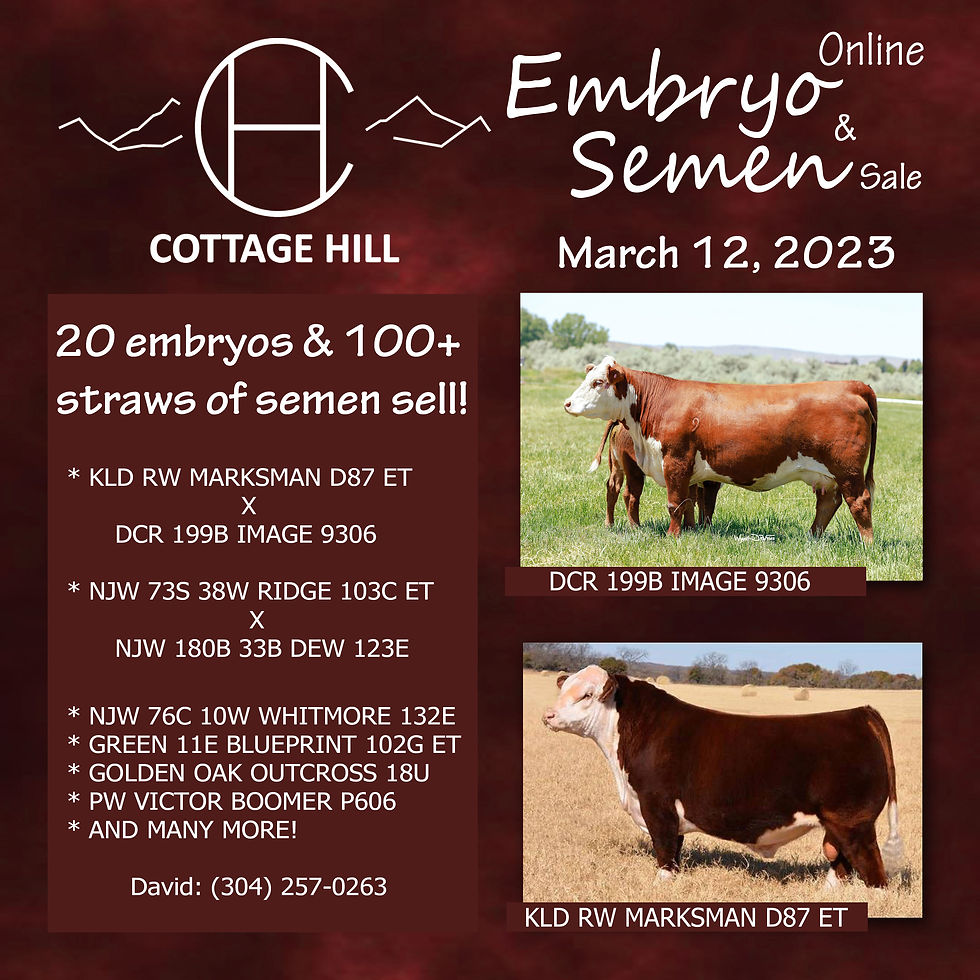
And here’s the key: Your content doesn’t have to be perfect, but it does have to stop the scroll.
That means:
Clean, distraction-free backgrounds
Clear angles of the animal
Simple, easy-to-read information
Even without professional photos or videos, thoughtful presentation can make a huge difference in reach and buyer interest.
3. Consistency Builds Buyer Trust
Because we consign to the same sales year after year, we’ve learned the value of consistency and reputation.
Buyers begin to recognize:
Your program
Your standards
The type of livestock you bring
This creates trust—and trust drives bids.
Rather than deciding last-minute where to sell, our system is structured:
Animals are selected early
They’re developed with a specific sale in mind
Marketing starts well before sale day
That consistency helps us build long-term relationships with repeat buyers.
4. Early Selection Sets You Up for Success
One of the biggest advantages we’ve seen is selecting sale animals early in the process.
Why it matters:
You can manage nutrition and condition intentionally
You have time to evaluate how the animal develops
You can plan your marketing strategy ahead of time
Waiting too long often leads to rushed decisions—and rushed decisions rarely bring top-dollar results.
5. Simple, Clear Advertising Wins
One of the most common mistakes I see—especially from newer sellers—is overcomplicating (or underthinking) their marketing.
Many struggle with:
How an animal should look in photos
What information to include
How to present it clearly
Here’s my advice: Keep it simple and consistent.
Even if your image isn’t perfect:
Use clean layouts
Stick to easy-to-follow formats
Make key details obvious
Clarity builds confidence. And confident buyers are more likely to take the next step.
Final Thoughts
At the end of the day, selling livestock successfully comes down to a combination of:
Strong visual selection
Intentional marketing
Consistency over time
Clear communication
The industry is evolving quickly—especially with the growth of online and social media marketing. But one thing hasn’t changed:
👉 The people who are most intentional about how they present and market their livestock are the ones who see the best results.
Check out the DESIGN STUDIO today to explore the possibilities of a fast and beautiful advertisement using premade templates optimized for livestock.

Comments